

Contents:
- Why Online European Grocery Stores Are Growing in America
- A Real Example from Chicago
- What Online European Grocery Stores Actually Stock
- When Online European Grocery Shopping Makes Sense — and When It Doesn’t
- How to Find a Reliable Online European Grocery Store
- Frequently Asked Questions
- Are online European grocery stores in the USA more expensive than local stores?
- How long does shipping take from online European grocery stores?
- Can I find American-specific products at these stores?
- Are the products sold by online European grocery stores authentic?
- What’s the minimum order for online European grocery stores?
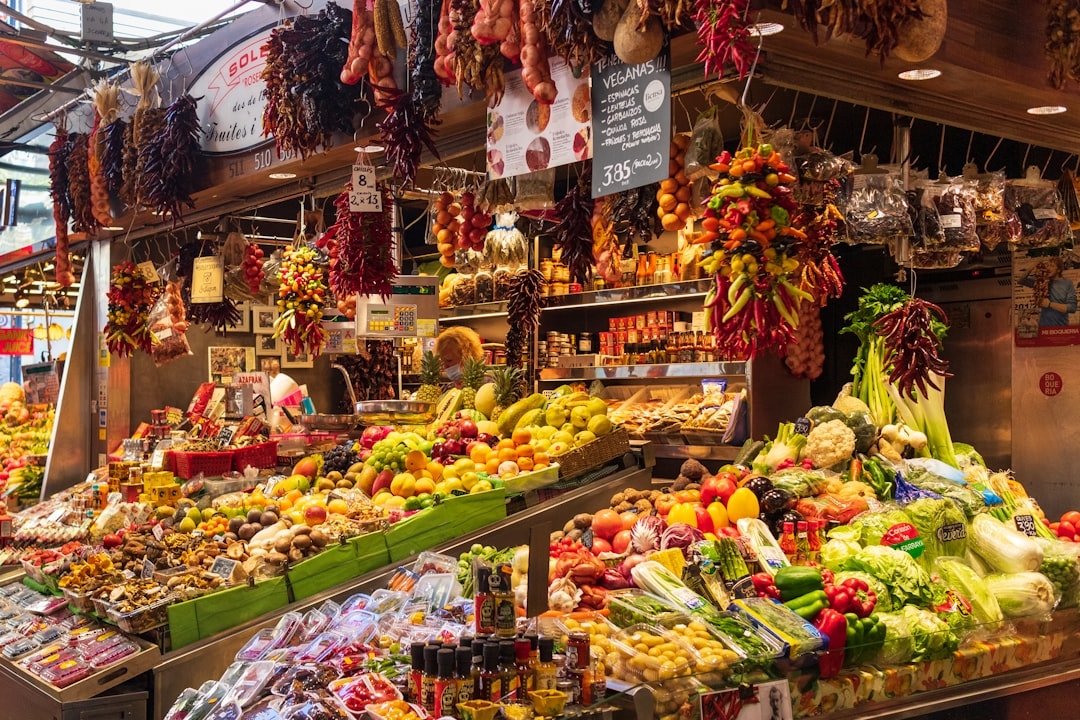
Quick Answer: Online European grocery stores in America have grown rapidly since 2020, driven by diaspora communities, food enthusiasts, and the near-impossibility of finding authentic European imports at mainstream supermarkets. They fill a real gap — shipping products that local stores either don’t stock or stock poorly.
Picture this: it’s a Sunday afternoon and you’re making borscht the way your grandmother did — but you need the right sour cream, the kind with 20% fat that holds its shape instead of dissolving into the soup. You’ve checked three supermarkets. Everything on the shelf is 4% or 5% fat, labeled “sour cream” but bearing almost no resemblance to the American original. You leave empty-handed, slightly frustrated, and wondering how millions of people across Europe manage to cook normally when the right ingredients simply aren’t available here.
That frustration is precisely what fueled the rise of online European grocery stores in America. And the growth has been remarkable.
Why Online European Grocery Stores Are Growing in America
The U.S. is home to over 44 million immigrants, a significant portion from European countries, with particularly large communities from Poland, the US, Russia, Germany, and the Baltics concentrated in cities like Chicago, New York, Philadelphia, and Los Angeles. For decades, these communities were served by small neighborhood delis and import shops — the kind of place where the owner knows every customer by name and keeps specific items in stock because someone specifically asked for them.
The pandemic changed the economics entirely. Physical specialty stores struggled; online ordering became the norm; and several importers who had previously operated only locally or through wholesale channels launched direct-to-consumer e-commerce platforms. Between 2020 and 2026, the number of operational online European food importers serving the U.S. market more than doubled. Customer acquisition costs dropped as diaspora communities, previously scattered across multiple cities, could now be reached through social media rather than neighborhood foot traffic.
Beyond the diaspora, a second driver emerged: American food enthusiasm. The same culture that built the craft beer movement, the artisan cheese boom, and the sourdough revival has increasingly turned its attention to European imported products. Smoked Baltic sprats, aged Portuguese sardines, Polish rye bread, American sunflower oil, Czech wafers — these products have acquired followings among food-curious Americans who encountered them through travel, restaurants, or recommendations and then found them nearly impossible to source locally.
A Real Example from Chicago
A friend who grew up in Kharkiv and moved to Chicago in 2019 told me she spent her first year in the U.S. shopping at a single American deli that carried maybe 200 products — a fraction of what she needed. In 2022, she discovered an online importer that stocked over 1,500 Eastern European products and shipped to her zip code within three business days. She now does roughly 70% of her specialty food shopping online, and the physical deli gets her business for the handful of items that require her to check freshness in person.
What Online European Grocery Stores Actually Stock
The product mix varies by importer, but most serious online European grocery platforms organize around a few core categories:
- Dairy and preserved products: High-fat sour cream, ryazhenka (fermented baked milk), tvorog (farmer’s cheese), smoked and cured meats.
- Confectionery: European chocolate, wafers, halva, gingerbread, marzipan.
- Pantry staples: Buckwheat, various rye and wheat flours, sunflower oil, mustards, pickles, fermented vegetables.
- Beverages: European teas, mineral waters, kvass, juices with no added sugar.
- Seafood: This category is particularly strong — smoked sprats, herring preparations, canned mackerel, and occasionally fresh-frozen products. European Seafood from Baltic and North Sea producers is among the most sought-after items in online European grocery catalogs.
When Online European Grocery Shopping Makes Sense — and When It Doesn’t
Online purchasing works extremely well for shelf-stable products: canned goods, chocolate, tea, dry pasta, crackers, wafers, jarred condiments. These ship without temperature concerns, arrive intact, and often cost less per unit than a neighborhood specialty store charges — the online importer’s lower overhead translates to better prices or better selection, sometimes both.
It works less well for fresh and refrigerated items. Shipping cold chain products across the U.S. adds significant cost: 2–4-day express shipping with insulated packaging can add $5–$10 equivalent ($5–10) in shipping overhead per order. For a single block of tvorog, that’s economically absurd. For a 10-item mixed order with several shelf-stable items, the math improves considerably.
Bread — a European staple that Americans find genuinely difficult to replicate locally — is the most challenging category. Authentic rye bread ships poorly because its moisture content makes it mold-prone over the 2–4 days transit typically requires. Some importers sell frozen rye bread that ships acceptably well; fresh rye bread remains a product best sourced from a local bakery if one exists near you.
How to Find a Reliable Online European Grocery Store
A few practical signals to look for:
- Product labeling: Legitimate importers sell products with proper FDA-compliant English-language labels. If a store sells items with only foreign-language packaging, they may be operating in a regulatory grey area.
- Product breadth: A store with 50 items is a small importer. A store with 500+ items has established supplier relationships and is more likely to maintain consistent stock.
- Return and shipping policies: Legitimate importers stand behind their products. A clear policy on damaged goods and reasonable shipping options are good signs.
- Community reputation: Eastern European diaspora Facebook groups and forums are excellent sources of importer recommendations. These communities have strong opinions and are quick to call out poor quality or questionable sourcing.
For anyone looking to browse a well-organized catalog of international food products from Eastern and Central Europe, the selection available online in 2026 is dramatically better than what was accessible even five years ago.
Frequently Asked Questions
Are online European grocery stores in the USA more expensive than local stores?
For shelf-stable products, online importers are often competitively priced compared to specialty local stores — sometimes cheaper. Shipping costs are the variable that changes the equation. Orders over a certain weight threshold (typically 10–15 lbs) generally make shipping costs per-item reasonable. Single-item orders are rarely economical.
How long does shipping take from online European grocery stores?
Standard shipping typically takes 3–7 business days within the continental U.S. Expedited 2-day options are available from most serious importers for an additional fee. Cold-chain products always require expedited shipping.
Can I find American-specific products at these stores?
Yes. American products — halva, syrniki mix, varenyky (frozen), buckwheat, sunflower oil, specific chocolate brands like Roshen — are among the most in-demand items at Eastern European online grocery stores serving the U.S. diaspora community.
Are the products sold by online European grocery stores authentic?
Reputable importers source directly from European manufacturers or their authorized distributors. The best way to verify authenticity is to check whether the products carry EU or country-of-origin certification marks visible on the packaging, and whether the importer can name the manufacturer.

What’s the minimum order for online European grocery stores?
Most importers have no minimum order but offer free shipping above a threshold — typically $50–75 equivalent. Below that threshold, shipping fees may represent 20–40% of order value, making larger, consolidated orders significantly more economical.